
10 Tips For Sport Photographers
Whether you’re just starting out or looking to sharpen your skills, becoming a great sport photographer takes more than just a good camera. At Heins Media, we’ve spent years on the sidelines, trackside, and courtside perfecting our craft. Here are our top 10 tips to help you capture sport like a pro.
1. Know Your Sport
Before you even pick up your camera, understand the sport you’re shooting. Knowing the rules, key moments, and where the action is likely to happen gives you a huge advantage. The best sport photographer anticipates the moment before it happens.
2. Use a Fast Shutter Speed
Sport moves fast. To freeze motion and avoid blur, we recommend shooting at a minimum shutter speed of 1/1000s. In low light conditions such as indoor arenas or evening fixtures, push your ISO higher to compensate.
3. Master Continuous Autofocus
Most modern cameras have a continuous autofocus mode (AI Servo on Canon, AF-C on Nikon/Sony). This tracks moving subjects and keeps them sharp — essential for any sport photographer working with fast-moving athletes.
4. Shoot in Burst Mode
Sport happens in fractions of a second. Shooting in burst mode means you capture a sequence of frames, giving you a much better chance of nailing that perfect peak-action shot. Don’t be afraid to shoot a lot — you can edit down later.
5. Get the Right Lens
A telephoto lens is your best friend as a sport photographer. We recommend at least a 70-200mm lens for most sports, and a 400mm or longer for athletics, motorsport, or any sport where you’re kept far from the action.
6. Find the Best Position
Where you stand makes a huge difference. We always arrive early to scout the venue and find the best angles. Think about the light, the background, and where the key moments are likely to unfold. A great position can elevate an average shot into something special.
7. Focus on Emotion
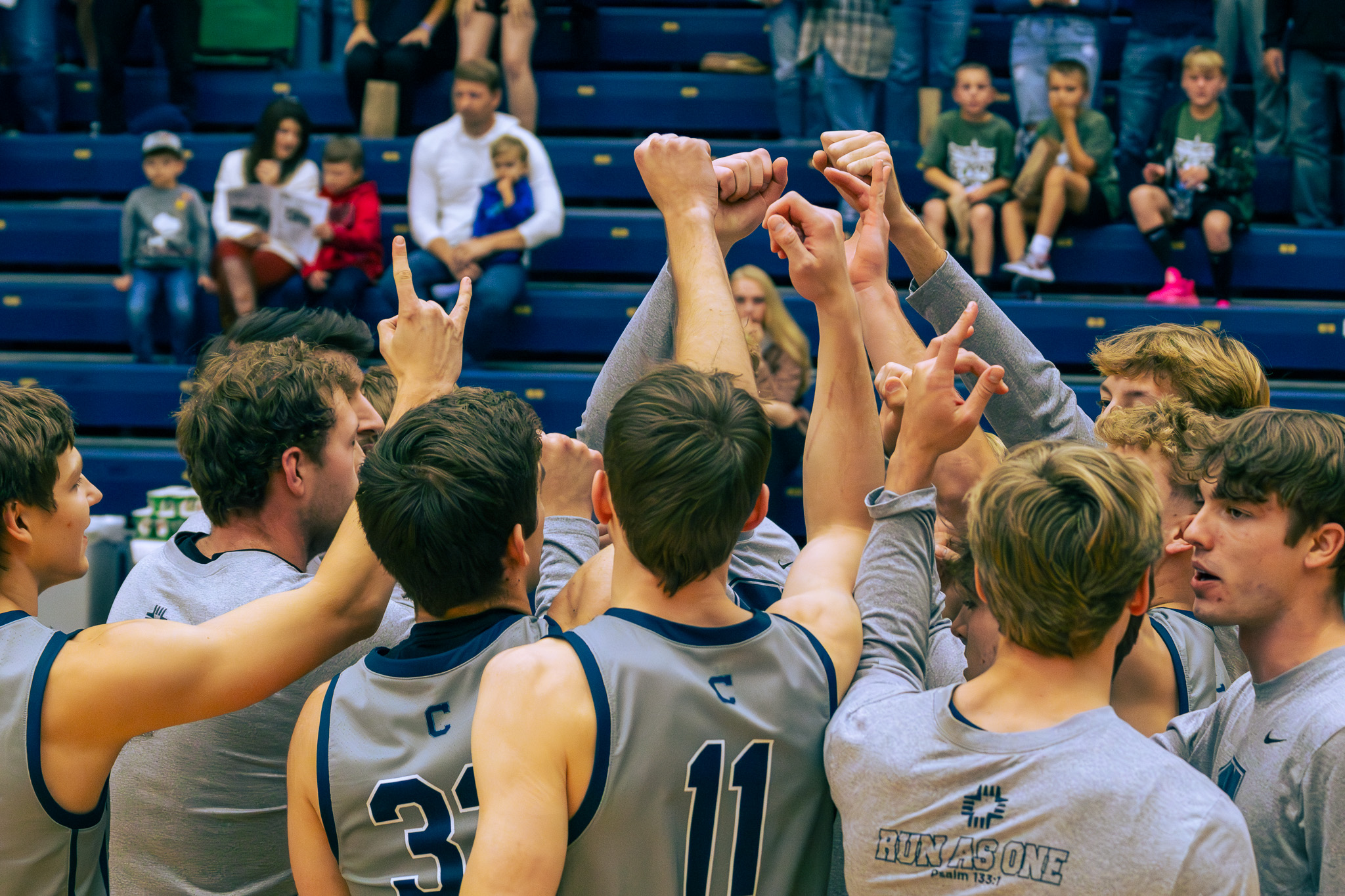
The best sports images aren’t always of the action itself — they’re about emotion. The celebration, the frustration, the exhaustion. As a sport photographer, training your eye to spot these human moments will set your work apart from the crowd.
8. Understand Light
Light can make or break a sports photo. Outdoor daytime shoots are ideal, but we often work under floodlights or in indoor arenas with mixed and challenging lighting. Understanding how to expose correctly and use your camera’s white balance in these conditions is a skill every sport photographer needs.
9. Edit With Purpose
Great sport photography doesn’t end when you put the camera down. Our editing process focuses on enhancing sharpness, contrast, and colour to make images pop — without over-processing. A clean, natural edit almost always works best for sports content.
10. Be Consistent and Build Your Portfolio
The best way to grow as a sport photographer is to shoot as much as possible. Offer to cover local clubs, charity events, and grassroots sport to build your portfolio. Consistency and volume will develop your eye faster than anything else.
At Heins Media, sport photography is our passion. If you’re looking for professional sports coverage for your club, brand, or event, we’d love to hear from you.
Based in Seward, NE and Longmont, CO | [email protected] | heinsmedia.com
